Elevator maintenance contracts are long-term commitments that directly affect safety, reliability, operating costs, and passenger experience. Choosing the right provider and the right terms matters, but so does the timing of your search. Shopping at the wrong moment often leads to rushed decisions, automatic renewals at higher rates, or limited negotiating power. Timing the process correctly gives building owners and facility managers the leverage they need to secure better service and stronger value.
Why Timing Is Crucial
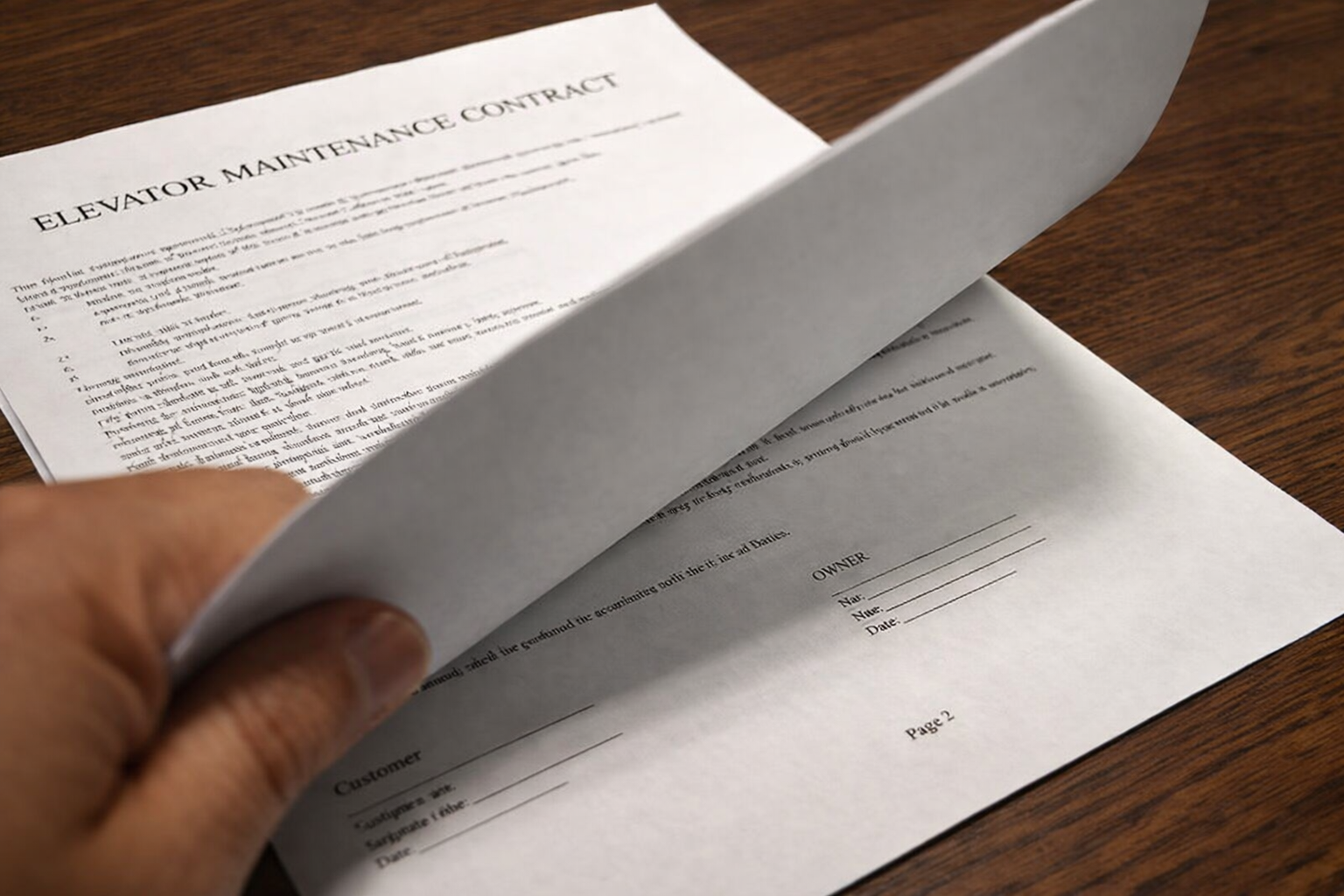
Most elevator maintenance agreements contain automatic renewal clauses. If you wait until 30 or 60 days before expiration, you may already be locked into another multi-year term. Starting the review process early creates space for competitive bidding, site evaluations, and careful comparison of coverage. It also allows time to align the new contract with budget cycles, capital planning, and any upcoming modernizations or major repairs.
Poor timing can also force decisions during a crisis. When an elevator is repeatedly out of service or a major component fails, the urgency to “just get it fixed” often overrides careful evaluation. Proactive shopping avoids that pressure and lets you negotiate from a position of strength rather than necessity.
Ideal Windows to Begin the Search
The strongest window is typically six to twelve months before the current contract expires. This timeframe gives reputable providers enough notice to schedule thorough evaluations of your equipment, review service history, and prepare accurate proposals. It also leaves room for you to check references, compare response-time guarantees, and negotiate exclusions or performance metrics. Many companies send notification of maintenance contract cancelation years to months in advance and then make sure they have written confirmation of the cancellation, Note this will not end the contract, but it will avoid automatic renewal.
Other strategic moments include:
During annual or multi-year budget planning cycles, when operating expenses are under review.
Immediately after a full modernization or major component replacement, when the equipment’s condition and remaining useful life are well documented.
Following a series of service disruptions or rising callback rates that signal the current provider is underperforming.
Ahead of scheduled code-required inspections or when insurance or lending requirements demand updated maintenance documentation.
It is best to avoid shopping your contract in the middle of peak construction seasons or during major holidays when service companies may be short-staffed. If you are having trouble scheduling a consultation, Georgia Lift Solutions will always make time for a consultation.
Understanding the Main Types of Contracts
When you do start shopping understand that not all maintenance agreements offer the same protection. The three most common structures differ significantly in scope and cost.
Full-service (comprehensive) contracts cover virtually everything: routine examinations, lubrication, adjustments, emergency callbacks, and the cost of most replacement parts and labor. These agreements provide the highest predictability for budgeting and the strongest protection against unexpected repair bills. They are often preferred for high-traffic or mission-critical elevators.
Limited or “oil-and-grease” contracts focus on basic preventive maintenance—examinations, cleaning, and lubrication. Parts, major repairs, and after-hours callbacks are usually billed separately on a time-and-materials basis. These contracts carry a lower monthly fee but shift more financial risk to the building owner.
Hybrid or performance-based agreements fall between the two extremes. They may include full coverage for certain components while excluding others (such as cab interiors or obsolete parts), or they may tie a portion of the fee to uptime metrics and response times. Some owners also choose pure time-and-materials arrangements, paying only for actual work performed, though this approach offers the least cost predictability.
When comparing proposals, look beyond the monthly price. Examine coverage exclusions, parts warranties, response-time commitments, technician qualifications, and how the provider handles obsolete equipment or future code changes.
Making the Most of the Process
When you do shop begin by gathering your current contract, recent service reports, and a clear list of performance issues. Invite multiple qualified providers—both independents and manufacturer-affiliated companies—to bid. Require site visits so proposals reflect the actual condition of your elevators rather than generic assumptions. Finally, negotiate clear termination and non-renewal language so you retain flexibility at the end of the next term.
Shopping for elevator maintenance is not a last-minute task. By starting six to twelve months ahead, understanding the differences between full-service, limited, and hybrid contracts, and evaluating providers on more than price alone, building owners can secure agreements that improve reliability, control costs, and support long-term asset performance. The best contract is the one negotiated with time, information, and leverage on your side.
At Georgia Lift Solutions we are more than willing to share this information because we always are up front and transparent regarding the maintenance agreements we provide. If you would like us to be a part of your process, contact us at your convenience.
