
Elevator Placement in Commercial Buildings: Plan Smarter, Build Better
When your commercial construction project reaches the design phase, one of the most important early decisions is elevator placement and stairwell location. Whether you’re working on a low-rise building, mid-rise development, or modular construction project, getting this right from the start can save significant time and cost.
Late-stage changes to elevator design or hoistway location are not only difficult—they can derail budgets and timelines. Yet too often, elevator placement is treated as a default decision, positioned near the main entrance or in the center of the building without deeper planning.
At Georgia Lift Solutions, we believe smarter planning leads to better performance, improved traffic flow, and long-term value.
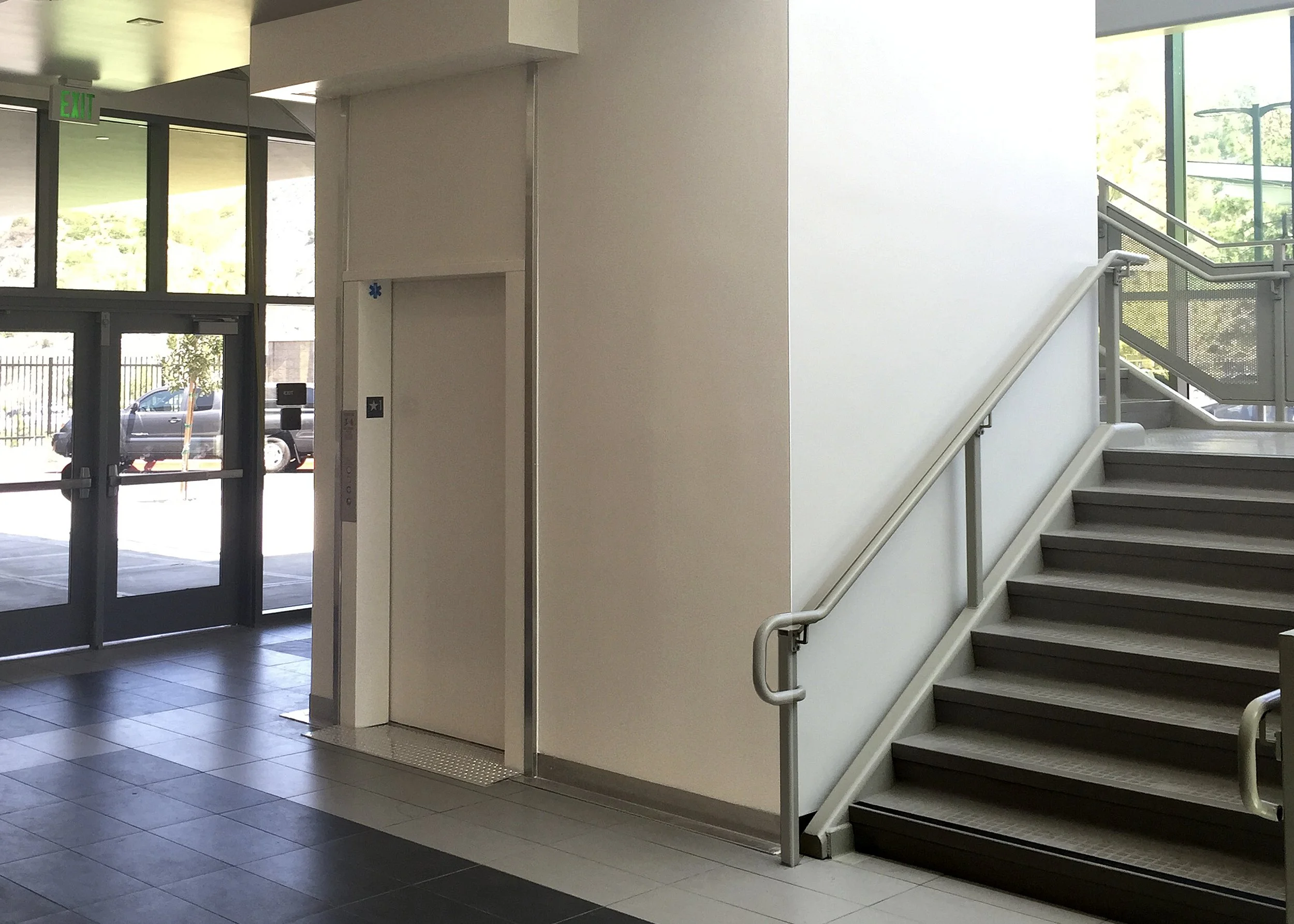
Structural Considerations in Elevator Placement
With the growth of modular buildings and prefabricated construction, elevator hoistways and stairwells are not always used as primary structural components. However, they still play an important role in overall building structural design. We all know that Gravity loads must always be supported sometimes by the hoistway. And shear loads must be carefully evaluated by structural engineers. With this in mind the architect and engineers can use the elevator shaft design for support purposes depending on the project.
While modern construction offers more flexibility, elevator hoistway placement should always be reviewed in coordination with structural requirements—especially in low-rise and mid-rise commercial buildings. But modern construction practices need to consider more than just the stability of the building.
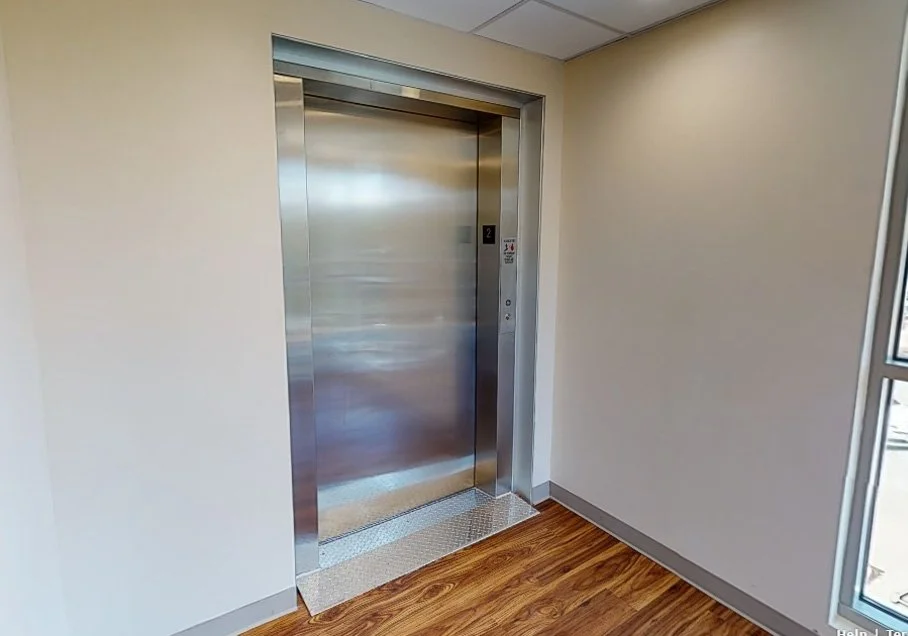
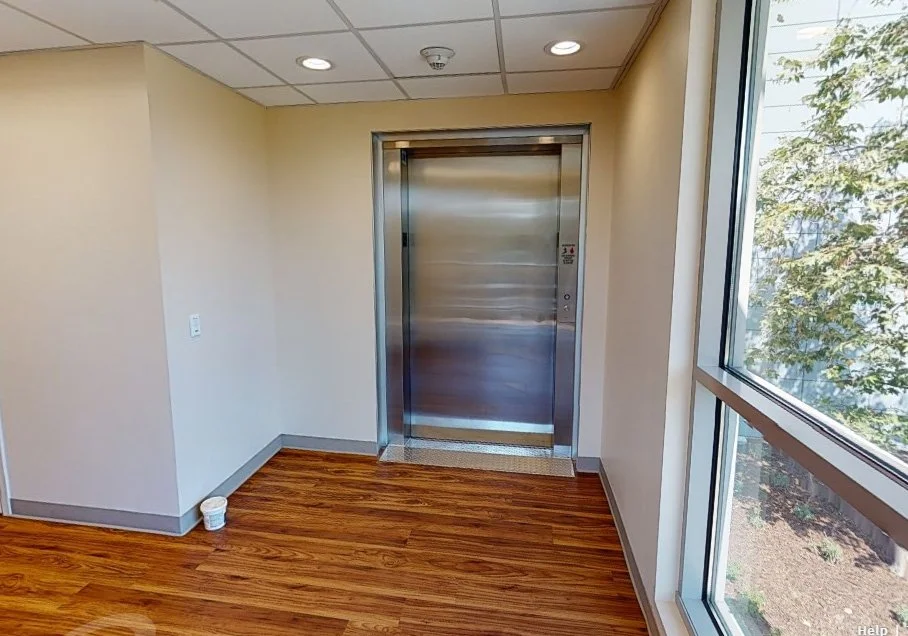
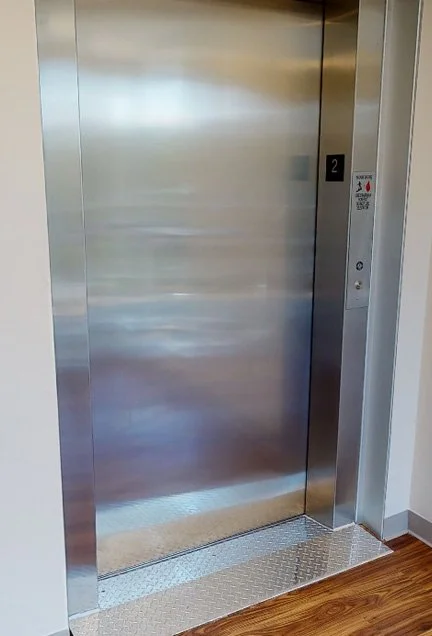
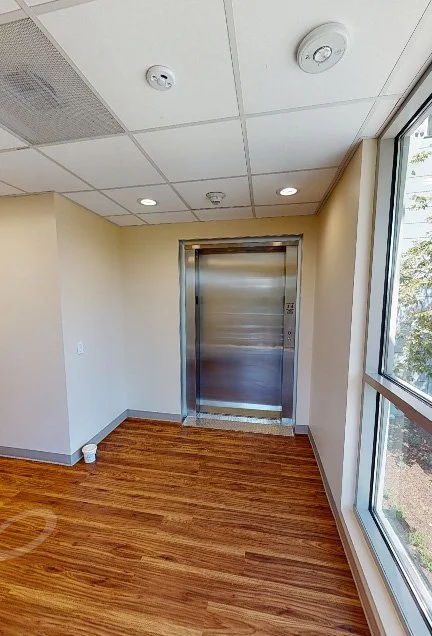
Optimize Elevator Placement for Traffic Flow
Effective elevator planning goes beyond structure—it’s about how people move through a building.
A well-placed elevator improves:
Building accessibility
Pedestrian traffic flow
Tenant and visitor experience
ADA compliance and usability
Poor placement, on the other hand, can create bottlenecks, confusion, and inefficiencies.
When evaluating commercial elevator placement, consider:
Where occupants enter and exit
Peak usage times (shift changes, breaks, events)
High-traffic destinations within the building
The goal is to align elevator location strategy with real-world usage patterns.
Key Factors for Commercial Elevator Placement
So where should the elevator be placed? Use this checklist as a starting point when planning your elevator system design:
How big is the lobby area? Will adding an elevator to the lobby impede traffic through the main part of the building?
Must it be used for supporting the rest of the structure? If so what flexibility is there in changing the location.
Would an additional elevator or an elevator bank away from the center of the structure improve the flow?
What is the building type or purpose of the building?
What available space do you have, not just for elevator placement but for foot traffic? Realize at busy times the elevator area can clog with people.
Is the traffic predicable? Is the building busy around shifts or breaks. Or is most travel anticipated to and from specific areas of the building?
Is there an aesthetic consideration such as a glass elevator or decorative car or hoistway?
Are there applicable elevator codes that require where an elevator must go?
How visible is the elevator to potential traffic? Tucking an elevator in a far corner or around a hidden corner maybe problematic.
Is this a retrofit project to comply with regulations with limited use anticipated?
The above is not a complete list of considerations. It is just a starting point to get you thinking more about the need and purpose of the elevator itself. Far too often in this copy and paste world, the largest and most expensive moving object in the building becomes a second thought. Strategic elevator placement planning improves not just function—but the overall success of your project.
Avoid Costly Changes: Plan Early
In commercial construction and modular building projects, early collaboration is key. Your architect, structural engineer, and elevator consultant/contractor should work together from the beginning.
Even if a design is based on previous projects, always ask:
Why was the elevator placed there?
Can placement be optimized for this specific building?
Making adjustments during design is always possible. Making them during construction is not.
Work with Elevator Experts
An experienced elevator consultant or commercial elevator company such as Georgia Lift Solutions can help evaluate:
Elevator system requirements
Optimal hoistway placement
Traffic flow analysis
Code compliance and safety standards
At Georgia Lift Solutions, we specialize in all elevator systems, commercial elevator installation, and prefabricated elevator solutions designed for speed, quality, and efficiency. We can help you through the placement of the elevator.
Get Started Today
If you're planning a commercial building project, modular construction, or elevator modernization, Georgia Lift Solutions is ready to help.
Calling us for advise is always friendly and free
Request a proposal or quote for your elevator project
Schedule a sit down conversation with one of our experts
Speak with our team about all the options to enhance your project.
Ascend to New Heights with Georgia Lift Solutions—your partner in smarter, faster, and more efficient elevator solutions.
