
A Georgia Lift Solutions Guide for Building Owners
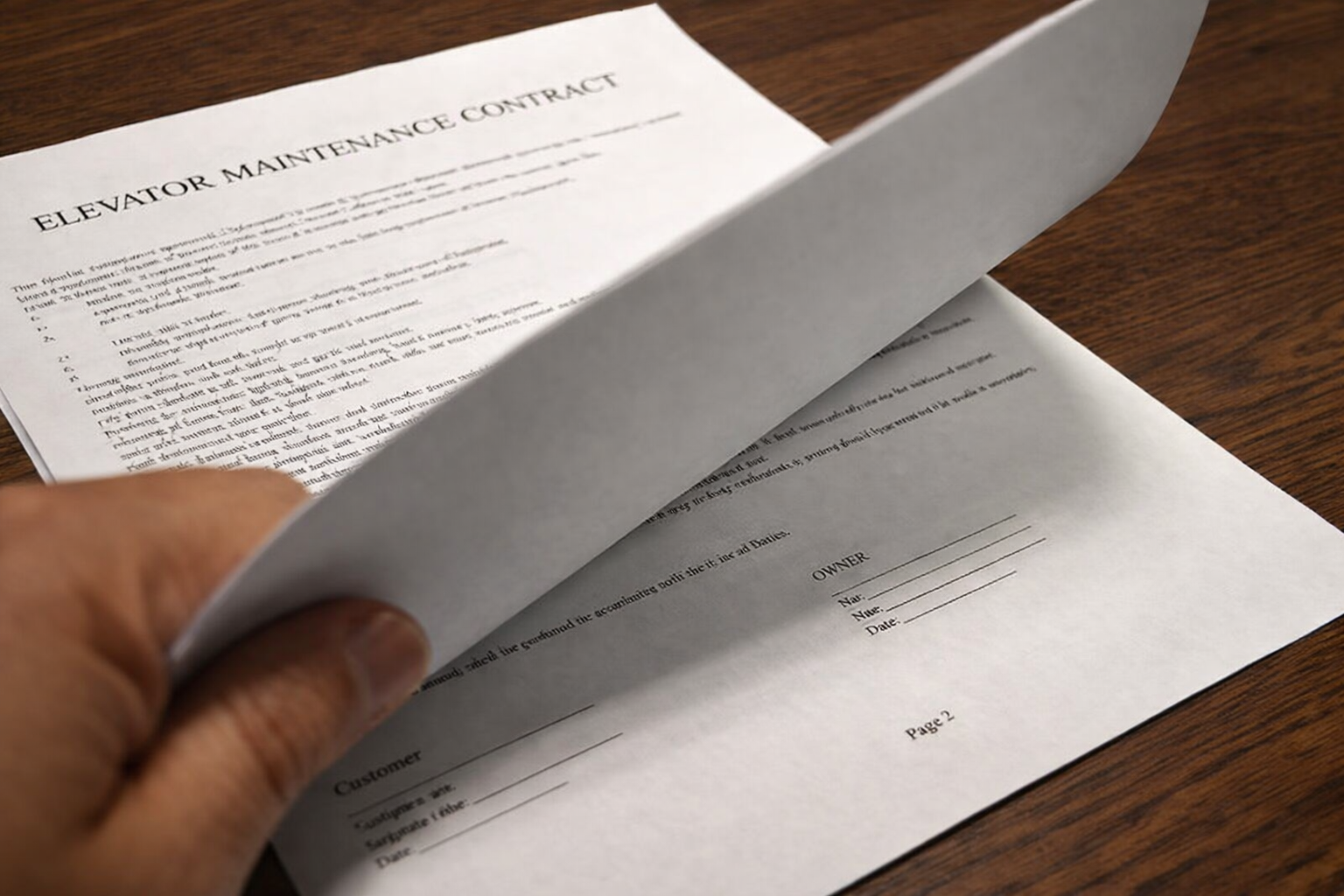
When it comes to elevator maintenance contracts, most building owners rush through the process. In many ways, it’s like buying a house.
I remember that experience well. I was so eager to move in that I barely glanced at the stacks of paperwork in front of me. The banker kept sliding documents across the table and I kept signing. Promissory note? Title insurance? Escrow agreement? I had no idea. I just knew that if I wanted the house, I had to keep scribbling my John Hancock. If it is true that the more you sign your signature the less it is worth, then by the time I finished signing everything, my signature probably wasn’t worth a plug nickel.
Elevator contracts often feel the same way for the building owner or manager. The technical language, long terms, and fine print can make anyone’s eyes glaze over. But just like with a home purchase, the contract is one of the most important parts of the entire process.
At Georgia Lift Solutions, we believe building owners should understand exactly what they’re signing. Below are several key components of elevator maintenance agreements and what they mean for your building.
1. Scheduled Maintenance
In simple terms, scheduled maintenance determines how often a technician visits your building to inspect and adjust your elevator.
Years ago, the standard was one visit per month. Today, many contracts have evolved—and not always in the building owner’s favor. Some agreements no longer specify a set number of visits at all. This can create a strange situation where you’re paying a monthly invoice but only seeing a technician quarterly or even less.
At Georgia Lift Solutions, we recommend paying close attention to the maintenance frequency listed in your agreement. Once service begins, make sure someone on your team checks the elevator service log to confirm visits are happening as promised.
One particularly clever building owner solved this problem by changing the key to the machine room so she would know exactly when the technician showed up. As it turned out, the service frequency didn’t match the contract.
2. Contract Length
It’s often said that the longer the contract time period, the better the price. Sometimes that’s true—but not always.
Before signing, it’s important to compare contract length, pricing, and service commitments. Longer agreements can lock you into lower rates, but they also carry risk. If service quality declines, you may have limited options until the term expires.
On the other hand, when one company maintains your equipment over time, they may have greater incentive to keep the system running well and prevent larger repairs.
In many cases, the best approach is a balanced agreement with a trusted provider, rather than yearly renegotiations or committing to a contract lasting ten years or more.
3. Automatic Renewals
You’ll be hard-pressed to find an elevator contract without an automatic renewal clause. In theory, this protects the building owner by ensuring service continues even if the contract expires. Let’s face it, few people know the total period of the elevator maintenance contracts they have.
In practice, however, this is often the most lopsided aspect of many maintenance agreements.
Most contracts require cancellation within a specific window—often 90 days before the contract ends. If that deadline is missed, the agreement automatically renews for another full term often at an automatic increase as well.
One practical strategy is to submit a cancellation notice early via certified mail, even if your contract still has years remaining. Keep documentation of the notice in your records. This ensures you maintain the flexibility to renegotiate when the term ends.
At Georgia Lift Solutions, we encourage building owners to stay proactive about contract timelines so they remain in control of their elevator service agreements.
4. What’s Covered?
One of the most frustrating moments for a building owner is discovering that a needed repair isn’t covered by the maintenance agreement.
When reviewing a contract, pay attention to whether major components are included, such as:
Hoist ropes
Motors
Hydraulic tanks and jacks
Traveling cables
Pumps
Controllers
Understanding what’s included allows you to compare contracts accurately—apples to apples—when evaluating service providers.
5. Exclusions
No elevator maintenance contract covers everything, so it’s equally important to understand what is not included.
Common exclusions often include:
Vandalism or misuse
Proprietary components
Machine room walls or doors
Obsolete parts
Buried piping, liners, or casings
Power fluctuations or electrical supply issues
Sometimes the smallest issues cause the biggest headaches. For example, elevators are frequently taken out of service by something as simple as a small pebble lodged in the door sill track—and those repairs are typically the owner’s responsibility.
Final Thoughts
Elevators—and the contracts that maintain them—can be complex. For many building owners, navigating the details can feel overwhelming.
Working with an independent elevator consultant or a trusted service partner like Georgia Lift Solutions can help you understand your options, compare contracts, and choose the maintenance strategy that best fits your building and budget.
Before signing your name one more time, make sure you know exactly what’s in the agreement—and what isn’t.
Georgia Lift Solutions is committed to helping building owners across the Southeast make smarter, more informed decisions about their elevator systems.
